
EATS was established in 2019 and we have now graduated five teachers. We are delighted to welcome them to the Alexander teaching community!
An additional eight people have completed our Foundation course, which provides an opportunity for immersive learning in the Alexander Technique for those who may not want to do the full training, which is 3 years when studying full time – you can meet some of them below.
Greg Dyke, PhD, MSTAT

I graduated from EATS in 2025 and am now teaching the Alexander Technique in Edinburgh. I also write software, dance various partner dances (blues, lindy hop, tango, and more), sing, ski and play flute, as well as teach all those things.
Jon Lightbourne, BSc, MSTAT

I graduated from EATS in 2024 and am teaching in Lanarkshire, 27 miles Southwest of Edinburgh, following my long-held dream to train to become an Alexander teacher. I also have a love of engineering, science and Scandinavian design. As well as teaching the Alexander Technique, I am setting up a small eco tourist business where I live and work in Dolphinton.
Lydia Temple (nee Cresswell), MSTAT

I graduated from EATS in 2024 and am now teaching the Alexander Technique in Sheffield. I originally came from a background of bodywork and education separately. Through the Technique’s ability to bring a learning approach to ourselves as a thinking and feeling body, I can see the fullness it has brought my life. I am excited to share this enriching and positive skill with others!
Eleni Konstantinidou BMus, MSTAT

I graduated from EATS in 2023 and am now teaching individuals and groups in Edinburgh. I am a pianist and music teacher, and I first came across the Alexander Technique in Greece. I was convinced it was the best way to achieve my musical and teaching goals, and I moved to Edinburgh in 2020 to train at EATS. I am particularly excited about how learning the Technique can help overcome expressive limitations, leading to a freer, easier way of performing, being, and connecting with others.
Cath Roberts, BA, MSTAT

I graduated from EATS in 2022 and am teaching in Aberdeenshire. I first stumbled across the Alexander Technique in 1989 at Art School (GSA) when a fellow student felt compelled to tell me about it (I had my ‘STOP’ word painting on show). She put me in Alexander’s ‘position of mechanical advantage’. I found it intriguing…important and seemed to instantly show up the unnecessary holding I was doing. I was hooked. She also added…’ye know you could teach this’. I never forgot those words but didn’t have the boldness to enrol until many years later. I now realise that, like every other teacher and student of this intelligent, practical, and preventative technique, I am on an Alexander ‘journey’.
Ellie Carroll, BA
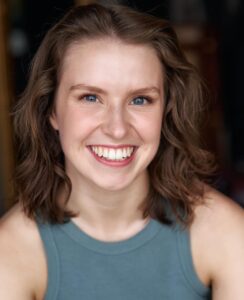
I completed the Foundation Course at EATS in the Autumn term of 2025. I came to hear about the Alexander Technique from various movement and voice teachers during my tertiary music theatre education in Melbourne, Australia. I wondered often about this potential ‘tool’ that could allegedly help me to find ease in performance. As my curiosity grew, I started to research with the added hope of finding some management strategies for my Ehlers Danlos Syndrome symptoms. Finally, I decided to give it a try, and found the Foundation Course to be an abundant playground in which to start exploring the use of myself through an Alexander lens. I move forward with an ever-growing desire to develop my personal understanding of the Alexander Technique, an ever-improving ability to look after myself, and a continuing excitement to investigate my work, play, art and life with new awareness.
Sharon France, BA

I completed the Foundation Course in 2023 after taking Alexander Technique lessons to address persistent neck and shoulder pain that developed during a stressful period at work. Having been fit and active most of my life, reaching my 50s and suddenly feeling limited was frustrating. I’d always been interested in the mind–body connection, so the Alexander Technique felt like a natural next step after physiotherapy and strength training brought little improvement. The course helped me understand how long‑held habits affect movement – and how changing them can genuinely improve daily function.